
If you’re reading this arvo with a cold one in hand, you’ve probably heard mates talk about chasing draws without doing the maths. Poker implied odds explained properly means looking past the chips on the table and factoring in what you might extract later if your hand improves. It’s not about guessing; it’s about disciplined estimation, the sort of governed calculation I spend my days building into wagering workflows. Down at the local Melbourne clubs, players who treat every call like a straight bet end up leaking chips, same as punters who back a moneyline without checking the form.
The Real Meaning Behind the Numbers
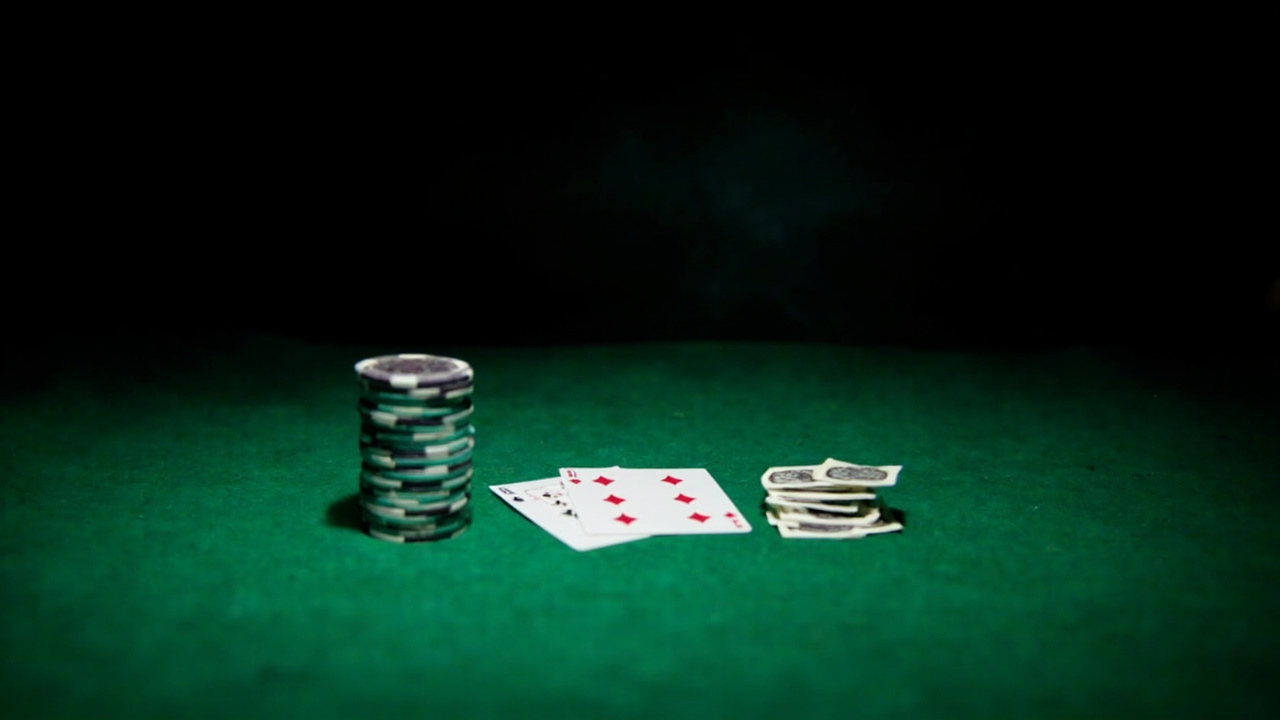
When you’re sitting in position with a flush draw, the pot odds tell you whether the call is profitable right now, but implied odds ask what happens on the river if you hit. That forward-looking estimate is where good players separate themselves from the tourists who just call because the board looks pretty. I’ve seen operational teams in fintech build decision trees that mirror this exact logic: capture the immediate risk, then model the downstream payoff before you commit capital. In a cash game at a Melbourne venue, you might call a small bet on the turn knowing your opponent has a deep stack and a tendency to pay you off with a weaker hand. The maths only works if you’ve actually observed that behaviour, not just hoped for it.
A few things shape whether your implied odds hold up in practice:
- Opponent stack depth relative to the current bet size
- Your own table image and how likely you are to get paid off
- The texture of the board and whether your draw is obvious or hidden
If any of those pieces are missing, you’re just gambling on hope, and that’s a leak no amount of theory fixes.
Where the Maths Meets the Table
The calculation itself is straightforward once you strip away the noise. You estimate the extra chips you’ll win on future streets, add that to the current pot, then compare the total to the cost of your call. If the combined figure gives you a positive expectation, the call can be justified even when raw pot odds say otherwise. That’s the same disciplined framing we apply when turning complex operational problems into governed workflows – you don’t just react to the moment, you model the downstream consequence before you commit. In practice, though, the estimate is only as good as your read on the player across from you. A tight opponent who folds to aggression kills your implied odds fast, while a calling station turns every draw into a potential goldmine. The trick is keeping your estimate grounded in observed behaviour, not wishful thinking.
The Operator View and the Limits of the Model
Not everyone agrees that players should be chasing implied odds without heavier guardrails. Adam Lee, Managing Partner, Federation Betting Insights, reckons the concept gets oversold in casual circles, saying players often overestimate their ability to extract value from https://templatetesting.bsozodigital.in/h1-probeer-mobile-casino-games-gratis-demo-spelen-voordat-je-inzet/ reluctant opponents. Mia Scott, Compliance Director, Capital Territory Gaming Forum, takes a sharper line, arguing that implied odds training can encourage chasing behaviour that mirrors the kind of escalation Natasha Dow Schüll documented in Addiction by Design, a work widely cited in Australia. Benjamin Hughes, Compliance Director, Murray River Gaming Research, sits between them, noting that the maths itself is neutral but the human tendency to overvalue future payoffs is a real risk factor operators should acknowledge in their responsible play materials. The disagreement is fair: the concept is sound when applied with discipline, but it’s also easy to weaponise hope against yourself.
Making It Work on Mobile and at the Tables
When you’re playing on a phone during a quiet arvo, the same principles apply but the interface changes how you apply them. Good mobile poker clients lay out pot and stack sizes clearly, let you toggle between cash and tournament views, and keep the action localised with Australian dollars and sensible default limits. I’ve reviewed enough wagering products to know that when navigation buries key info behind three taps, players make worse decisions, plain and simple. The best local setups let you check your opponent’s stack depth and your own remaining buy-in without losing the thread of the hand. If you’re after a smooth mobile experience that respects the maths, you can check https://e-wallet-casino.org/en-aus/ for payment and localisation options that keep the focus on the game rather than the friction. The point is that implied odds aren’t just a theoretical exercise; they’re a practical decision tool, and the product around them needs to make the numbers visible when you need them.

Down at the local level, the same logic shows up in ways that have nothing to do with cards. Racing silks identify owners by distinctive colours and patterns, and a good player reads tells the same way – by pattern recognition, not by guessing. If you’re playing at a Melbourne club or on a well-built mobile client, the winners are the ones who treat implied odds as a governed estimate, not a prayer. Keep your reads honest, your stack maths clear, and your expectations tied to what the table actually shows you.Regles-osac