
Counting cards in a crowded room is less about maths and more about rhythm, especially when the shoe moves fast and the noise level climbs. For anyone tracking blackjack true count conversion through a live session, the first lesson is that a running count means little until you divide it by the decks still in play. That single step turns a rough tally into a practical signal for bet sizing and basic strategy tweaks, and it is the difference between guessing and actually reading the table.
| Detail | Note |
|---|---|
| Positioning | Live table focus with clear count display and pace controls |
| Providers | Mixed live dealer studios and standard shoe tables |
| Bonus mechanics | Table-linked promos with wagering terms on qualifying hands |
| Payments | AUD settlement, local card and wallet options |
| Registration | Quick sign-up with identity checks before real-money play |
| Mobile | Responsive table view with stable bet timing |
| Support | Live chat and email during local session hours |
| Loyalty | Tiered comps tied to table time and qualifying play |
Reading the shoe before the next arvo session
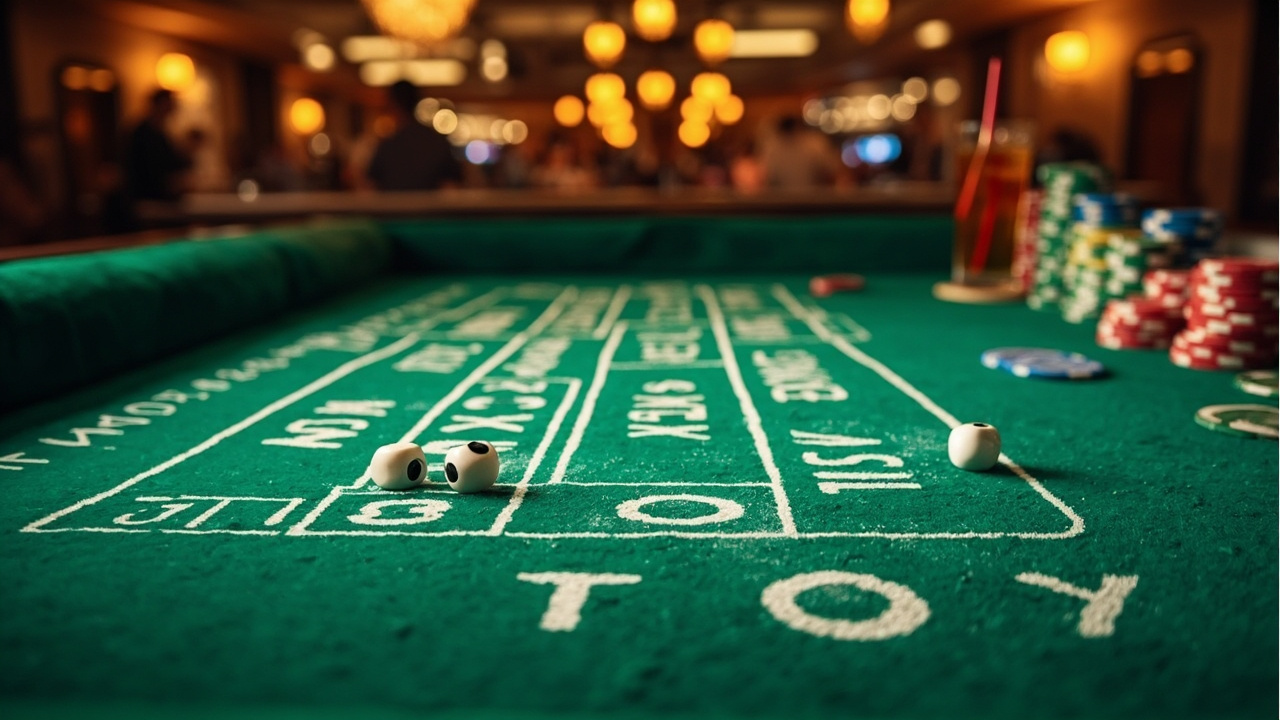
A proper read starts before you place a chip, because the true count only matters if you know how many decks are left in the shoe. In a busy Western Sydney club or a live studio stream, the discard tray gives you the first clue, and you estimate the remaining decks by sight rather than waiting for a pit boss to announce it. Once you have that rough figure, you divide the running count by the decks remaining, which is the heart of blackjack true count conversion and the moment the numbers start speaking plainly. I watched a regular at a Parramatta social night who kept a tidy running count but kept betting flat, and he only started shifting his stakes after someone pointed out he was ignoring the deck estimate entirely. That small habit change mattered more than any fancy index chart, because a count of plus-four with two decks left is a very different signal from plus-four with half a deck left. The practical takeaway is to practise the division until it feels automatic, then use the result to nudge your bet up or down instead of swinging wildly on every hand. If you want a casino with poli that keeps the table flow steady, look for one that shows the shoe size clearly and does not rush the pace between rounds.
Turning the count into a bet decision
The real test comes when you decide whether to press your bet or hold it, and that decision should follow the true count rather than your gut feeling after a cold streak. A simple approach is to set a base unit and then step it up only when the count climbs past a threshold you have practised, which keeps the swings manageable and the session readable. This is where blackjack true count conversion stops being a classroom exercise and becomes a live decision, because the same count can call for a modest raise at one table and a more cautious stance at another depending on the rules and the penetration. I recall a mate at a Glebe pub night who started raising his bet the moment the count turned positive, only to find the dealer was burning through the shoe too quickly for the edge to build properly. He adjusted by tying his bet steps to both the count and the visible deck depth, which smoothed out the variance and made the session feel less like a rollercoaster. The lesson is not to hunt a perfect edge but to use the count as a guide for disciplined bet sizing, while remembering that short-term swings still happen no matter how tidy your maths looks.
Where the lobby and table mix actually matter
A count only helps if the table rules and the lobby layout let you find the right game without wasting time hunting through clutter. A well organised lobby makes it easier to spot tables with decent penetration, clear shoe sizes, and rule sets that do not chew your edge away on every shuffle, and that matters because a sloppy table can drown a good count in a pile of poor rules. When you are scanning the lobby after work, you want a mix that includes live table content and standard shoe games from a handful of known providers, with search and filters that actually surface the table details instead of burying them under generic thumbnails. The brand keeps its table mix focused on live dealers and standard blackjack variants, with the lobby organised so you can see shoe depth and rule notes before you commit, which suits anyone serious about blackjack true count conversion rather than just chasing a quick spin. Claire Turner, Strategy Director, Southern Reef Gaming, notes that a lobby which exposes table rules and penetration up front saves players from wasting time on games that do not suit their approach, and that is a fair caveat because a tidy display is only useful if the underlying rules are worth your attention.
Pace, limits and the local habit of staying disciplined
Pace is the quiet variable that decides whether a count stays useful or turns into a headache, because a table that rushes every hand leaves you no room to think and a table that drags too much burns your focus before the count matters. In practice, you want a session rhythm that lets you update the running count, estimate the remaining decks, and adjust your bet without feeling like you are racing the dealer, and that rhythm is easier to hold when the table limits and bet timing are clear from the start. I have seen a regular at a Blacktown social night lose the plot not because the count was wrong but because the table kept shuffling early and the pace kept changing, which made his bet steps feel random even though his maths was fine. The fix is to pick tables with consistent penetration and to set your own bet steps before you sit down, so the count guides you instead of the noise around you. A sensible brand will keep limits and pace visible, settle in AUD, and run identity checks before real-money play, which is the sort of setup that respects the maths without pretending it https://dentalnaissa.com/2026/11/02/how-to-bet-on-live-odds-changes-during-a-match/ guarantees anything. If you are weighing a casino with poli for a live table session, check that the table details, limits, and pace are clear before you commit any chips.

The short version is that blackjack true count conversion is a practical habit, not a magic trick, and it works best when you combine a clean deck estimate with disciplined bet steps and a table that does not fight you at every shuffle. Keep the count simple, watch the shoe depth, and let the numbers guide your stakes without pretending they remove the swing, because the edge is small and the discipline is what actually holds up over time.